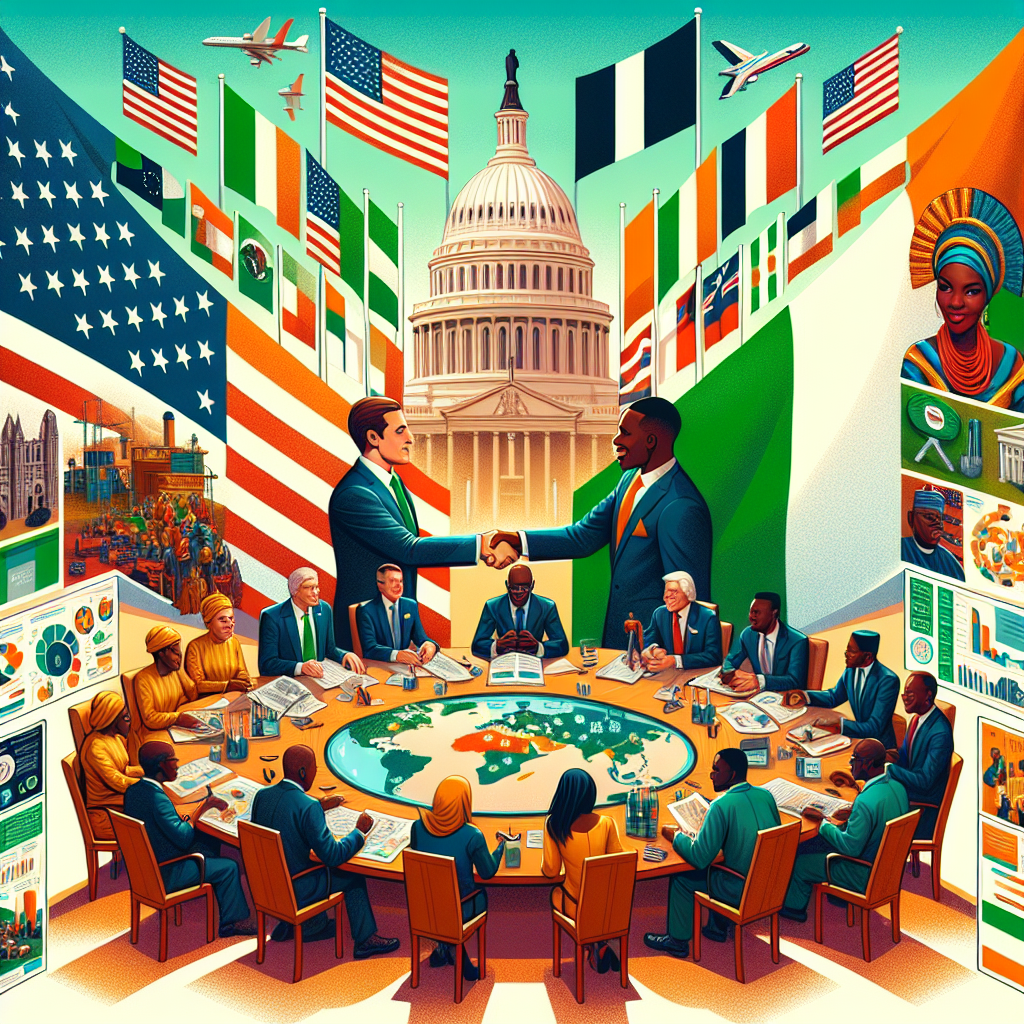
Exploring the Evolving Dynamics of the Nigeria-America Relationship in 2024
The relationship between Nigeria and America is a fascinating tapestry woven through centuries of mutual interests, cultural exchanges, and shared aspirations. As we enter 2024, the evolving dynamics of Nigeria-America relations are more crucial than ever. With both countries standing at significant crossroads, their diplomatic ties and economic cooperation promise to shape not only their respective futures but also the broader landscape of international relations.
Nigeria, the most populous country in Africa, has become a pivotal partner for the United States in addressing various global challenges. The US-Nigeria partnership is characterized by a deepening engagement that encompasses trade agreements, security collaboration, and development aid. These elements are vital as both nations seek to enhance their bilateral trade while addressing pressing issues like human rights and climate change initiatives.
Significance of the Nigerian Diaspora
The Nigerian diaspora plays a pivotal role in fostering connections between the two nations. With millions of Nigerians residing in the United States, cultural exchange thrives, creating a rich dialogue that influences everything from education exchange to technology partnerships. This vibrant community not only contributes significantly to the American economy but also strengthens the political engagement between Nigeria and the US.
Current Trends in Nigeria-America Relations
- Increased focus on investment opportunities in Nigeria’s growing sectors.
- Enhanced security collaboration in combating terrorism and organized crime.
- Joint efforts in COVID-19 recovery, emphasizing public health initiatives.
- Active discussions on climate change and sustainable development.
As these trends unfold, the Nigeria-America relationship stands as a testament to the power of partnership. Whether through engaging with the African American influence or navigating the complexities of foreign policy, both countries are poised to redefine their roles on the world stage. The future of this relationship hinges on the ability to adapt and respond to emerging challenges, ensuring that the bonds of friendship grow stronger in the years to come.
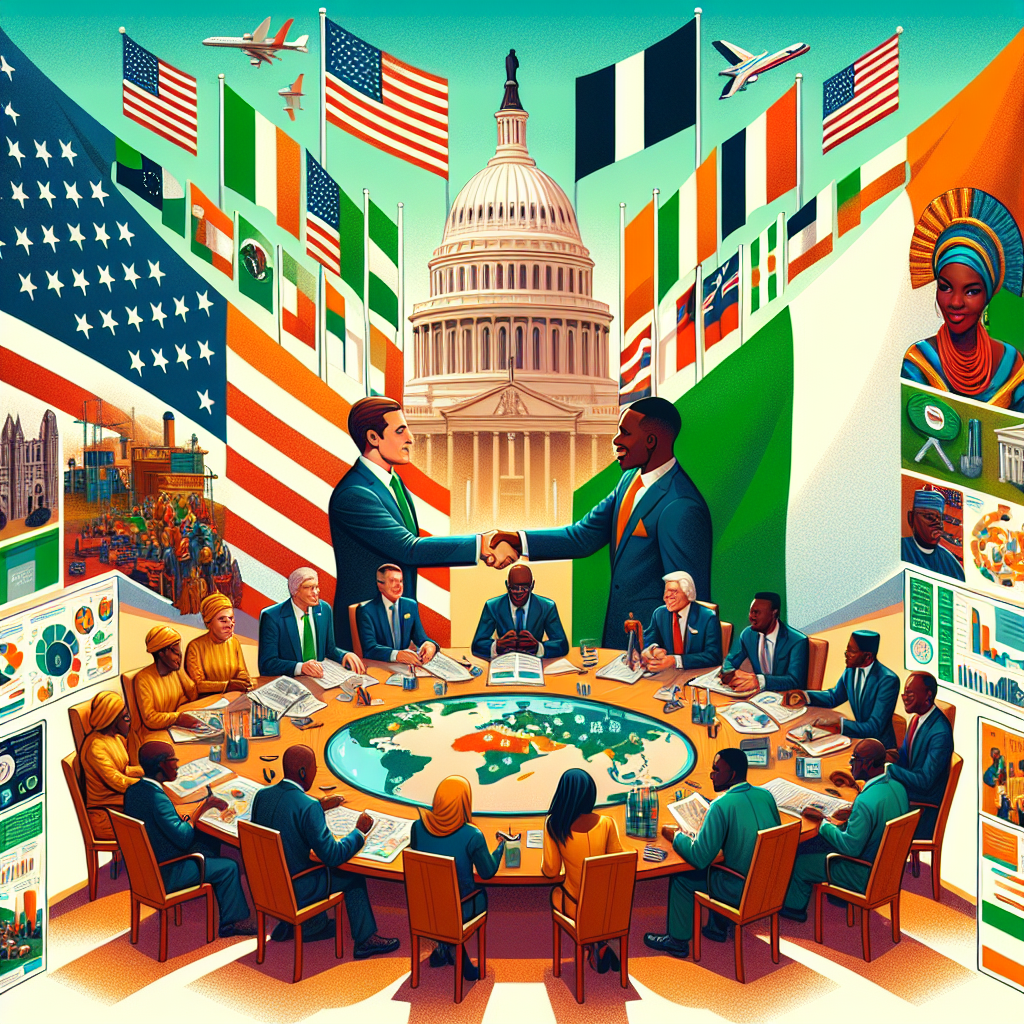
Setting the Stage for Nigeria-America Relations
The historical ties between Nigeria and the United States date back to the 19th century, with significant interactions during the transatlantic slave trade. Post-independence in 1960, these ties evolved through diplomatic engagements, focusing on shared interests such as democracy, economic development, and security. The U.S. has been a pivotal partner in Nigeria’s journey towards democratic governance, providing support during key electoral processes.
Importance of Bilateral Relations in a Global Context
In today’s global landscape, the relationship between Nigeria and America is increasingly vital. As Africa’s largest economy and most populous nation, Nigeria plays a crucial role in regional stability and economic growth. The U.S. views this partnership as essential for addressing global challenges like terrorism, climate change, and health crises. Collaborating with Nigeria enhances America’s influence in Africa and promotes a stable geopolitical environment.
Key Areas of Interest in the Relationship
- Trade and Investment: Strengthening economic ties through trade agreements and investments in sectors such as oil, agriculture, and technology.
- Security Cooperation: Joint efforts to combat terrorism, particularly against groups like Boko Haram and ISIS affiliates in West Africa.
- Cultural Exchange: Promoting understanding through educational programs and cultural initiatives that celebrate the rich heritage of both nations.
As the dynamics of the Nigeria-America relationship continue to evolve, these areas remain critical for fostering mutual benefits and addressing contemporary global issues.
Shifts in Political Leadership and Policy Impact
The political landscape in Nigeria has undergone significant changes following the recent elections, which have crucial implications for the Nigeria-America relationship. The emergence of new leadership in Nigeria brings fresh perspectives on governance and international relations.
Analysis of Recent Elections in Nigeria and Their Implications
The 2023 elections saw a shift in power dynamics, with a focus on anti-corruption and economic reform. This change signals a potential strengthening of ties with the U.S., as American interests align with Nigeria’s push for stability and transparency.
The Biden Administration’s Foreign Policy Towards Africa
The Biden administration emphasizes cooperation on issues like climate change, security, and trade. By fostering partnerships in Nigeria, the U.S. aims to counteract Chinese influence while supporting democratic values and human rights.
Impact of Governance and Policy Reforms in Nigeria on U.S. Relations
- Increased investment opportunities for U.S. companies in Nigeria.
- Collaborative efforts in combating terrorism and regional instability.
- Enhanced dialogue on health initiatives, especially in light of pandemics.
As Nigeria implements policy reforms, the potential for deeper collaboration with the U.S. grows, shaping a dynamic and responsive partnership that addresses mutual interests effectively.
Exploring Economic Ties and Trade Opportunities
The current state of trade between Nigeria and the USA showcases a growing partnership, with both nations recognizing the potential benefits of collaboration. In 2024, Nigeria remains one of America’s key trading partners in Africa, exporting crude oil, agricultural products, and minerals. Conversely, American businesses supply machinery, electronics, and pharmaceuticals to Nigeria, facilitating a dynamic exchange that supports economic growth.
Investment Opportunities and Challenges for American Businesses in Nigeria
American businesses are increasingly focusing on Nigeria for investment opportunities due to its large consumer market and abundant natural resources. Sectors such as agriculture, energy, and telecommunications present lucrative prospects. However, challenges like infrastructure deficits, regulatory hurdles, and security concerns can hinder investment. Navigating these challenges requires thorough market research and local partnerships.
Role of Technology and Innovation in Enhancing Economic Collaboration
Technology plays a pivotal role in enhancing economic collaboration between Nigeria and the USA. Innovations in fintech and e-commerce are revolutionizing how businesses operate, enabling smoother transactions and fostering entrepreneurship. American tech firms are exploring partnerships with Nigerian startups to leverage local expertise while driving technological advancements. This synergy not only boosts economic ties but also promotes sustainable development.
| Trade Category | Nigeria Exports to USA | USA Exports to Nigeria |
|---|---|---|
| Crude Oil | $XX billion | N/A |
| Agricultural Products | $XX billion | $XX billion |
| Machinery | N/A | $XX billion |
Addressing Security Challenges Together
The collaboration between Nigeria and the United States in tackling security challenges is crucial in 2024. Joint efforts in combating terrorism and insurgency play a vital role in this partnership. Nigeria faces significant threats from groups like Boko Haram and ISIS affiliates, which require coordinated responses. The U.S. has been instrumental in providing intelligence support and operational guidance to help Nigerian forces address these challenges effectively.
U.S. Military Assistance and Training Programs
U.S. military assistance includes training programs designed to enhance the capabilities of Nigerian security forces. These initiatives focus on counter-terrorism tactics, crisis response, and community engagement strategies. By improving operational readiness, the Nigerian military can better respond to security threats, ensuring safer communities.
Emerging Security Threats and Collaborative Strategies
As new security threats emerge, such as cybercrime and human trafficking, both nations are exploring collaborative strategies to counter these issues. Regular joint exercises and information-sharing platforms facilitate this partnership, enabling both countries to adapt to evolving security landscapes. Through these combined efforts, Nigeria and the U.S. aim to create a more secure environment for citizens, fostering stability and growth.
| Security Challenge | Joint Response |
|---|---|
| Terrorism | Intelligence sharing, operational support |
| Insurgency | Military training programs |
| Cybercrime | Collaborative cybersecurity initiatives |
| Human Trafficking | Joint law enforcement operations |

Building Bridges Through Culture and Education
The cultural exchange between Nigeria and America has blossomed significantly, enriching both nations. Nigerian music, particularly Afrobeats, has gained massive popularity in the U.S., influencing artists and creating a vibrant fusion of sounds. Similarly, American pop culture resonates in Nigeria, showcasing a blend of lifestyles that fosters understanding and appreciation.
Impact of Nigerian Culture in America
- Nigerian films, especially Nollywood, have captivated American audiences, leading to increased viewership and collaboration in the film industry.
- Nigerian cuisine, with its rich flavors and diverse dishes, has found a home in many American cities, introducing new culinary experiences.
- Art exhibitions showcasing Nigerian artists are becoming more common in American galleries, highlighting the unique perspectives and narratives of Nigerian culture.
Educational Exchange Programs and Scholarships
Educational exchanges play a crucial role in strengthening Nigeria-America relations. Programs like the Fulbright Scholarship allow Nigerian students to study in the U.S., fostering personal growth and cross-cultural understanding. In return, American students benefit from studying in Nigeria, gaining insights into its rich history and traditions.
Role of Diaspora Communities in Strengthening Ties
The Nigerian diaspora in America actively contributes to building connections. Community organizations promote cultural events and educational initiatives that engage both Nigerians and Americans. These efforts create a network of support, encouraging mutual understanding and collaboration.
| Key Areas of Cultural Exchange | Examples |
|---|---|
| Music | Afrobeats concerts, collaborations |
| Film | Nollywood screenings, partnerships |
| Cuisine | Nigerian restaurants, food festivals |
Harnessing Technology for Development
The Nigeria-America relationship in 2024 showcases a growing emphasis on technology as a catalyst for development. Key partnerships in the tech sector, especially between startups and innovation hubs, are at the forefront of this collaboration.
Partnerships in the Tech Sector
American companies and Nigerian startups are increasingly joining forces to foster innovation. For instance, initiatives like the Nigerian Startup Act have created an environment conducive to investment. U.S. tech giants often collaborate with local innovators to enhance digital solutions tailored to the Nigerian market.
Digital Transformation Initiatives Supported by the U.S.
The U.S. government has launched various digital transformation initiatives aimed at boosting Nigeria’s technological landscape. Programs such as the U.S.-Africa Tech Challenge encourage creativity among young developers, focusing on solving local challenges through technology.
Challenges and Opportunities in Tech Collaboration
While opportunities abound, challenges such as infrastructure deficits and regulatory hurdles persist. However, these obstacles also present unique opportunities for American investors and tech firms to engage in capacity-building projects. By addressing these challenges collaboratively, both nations can harness technology for sustainable development.
| Opportunities | Challenges |
|---|---|
| Investment in local startups | Poor internet connectivity |
| Joint innovation projects | Complex regulatory frameworks |
| Skills training programs | Lack of access to funding |
Addressing Social Justice and Human Rights Concerns
The U.S. stance on human rights issues in Nigeria has been a focal point in the evolving dynamics of their relationship. In 2024, the U.S. government has increased its scrutiny of Nigeria’s record on social justice, particularly regarding police brutality, freedom of expression, and minority rights. Reports from various human rights organizations have prompted U.S. officials to call for accountability and reform within Nigeria’s law enforcement agencies.
Collaboration on Health and Education Initiatives
Moreover, collaboration between the U.S. and Nigeria has expanded into health and education initiatives aimed at improving social equity. Programs focused on maternal health and educational access for marginalized groups are critical. These initiatives not only address immediate needs but also empower communities, fostering a more just society.
Impact of Social Movements and Activism
Social movements and activism in Nigeria significantly impact U.S.-Nigeria relations. The #EndSARS movement, which protested against police brutality, resonated globally, prompting the U.S. to support calls for reform. Such activism highlights the importance of civil rights and influences U.S. foreign policy towards Nigeria.
| Key Areas of Concern | U.S. Response |
|---|---|
| Police Brutality | Calls for accountability and reform |
| Freedom of Expression | Support for civil society organizations |
| Minority Rights | Promoting inclusive policies |
Overall, addressing human rights and social justice remains vital in shaping the future of Nigeria-America relations as both nations navigate these complex issues together.
Looking Ahead: The Future of Nigeria-America Relations
The future of Nigeria-America relations in 2024 is poised for potential shifts, shaped by evolving foreign policy directions and emerging global challenges. As both nations navigate the complexities of international diplomacy, key areas warrant attention.
Potential Shifts in Foreign Policy Direction
- The U.S. may focus on strengthening partnerships with African nations, positioning Nigeria as a pivotal ally in addressing regional issues.
- Nigeria’s leadership could see a shift towards prioritizing economic ties, seeking to attract American investment in technology and infrastructure.
Emerging Global Challenges and Their Impact
- Climate change poses a significant challenge, prompting collaboration on sustainability initiatives between Nigeria and America.
- Health crises, like pandemics, will require joint efforts in research, vaccine distribution, and public health strategies.
Strategies for Enhancing Cooperation
- Increased educational exchange programs could foster understanding and innovation between Nigerian and American youth.
- Joint ventures in renewable energy can enhance Nigeria’s energy sector while contributing to America’s climate goals.
These dynamics underscore the importance of ongoing dialogue, mutual respect, and shared goals, shaping a promising trajectory for Nigeria-America relations in the coming years.
Conclusion
The evolving dynamics of Nigeria-America relations in 2024 highlight a complex yet promising partnership. As political leadership shifts, both nations navigate impactful policies that shape their collaboration. Economic ties are strengthened through trade opportunities, while joint efforts address pressing security challenges. Cultural and educational exchanges foster mutual understanding, and technology serves as a catalyst for development. Moreover, ongoing discussions about social justice and human rights are crucial for a harmonious future. The relationship between Nigeria and America is set to grow, reflecting shared interests and aspirations, paving the way for a brighter tomorrow.