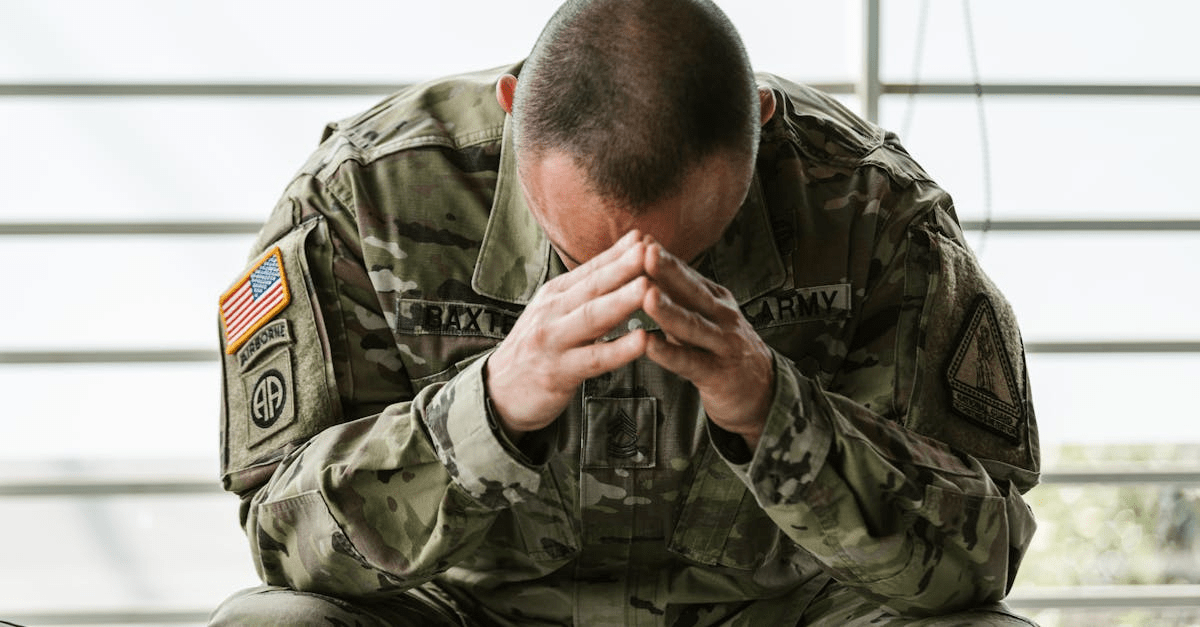
Understanding the Impact of World War 2 on Modern Society
World War 2 was not just a pivotal moment in military history; it reshaped the very foundations of modern society across the globe. The impact of this global conflict resonates today, influencing everything from international relations to cultural shifts and economic changes. As we delve into the lessons learned from this historical event, it becomes evident how deeply intertwined our contemporary world is with the struggles and sacrifices made during these tumultuous years.
The echoes of World War 2 can be felt in the advancements in human rights, which emerged strongly in the aftermath of the war. The horrors of the Holocaust and the atrocities committed during this time led to a renewed commitment to ensuring that such violations would never happen again. International treaties and organizations, like the United Nations, were established to promote global peace efforts and protect human dignity, highlighting the war’s lasting legacy on international relations.
Furthermore, the economic repercussions of World War 2 laid the groundwork for the modern economic landscape. Nations rebuilt and redefined their economies, leading to significant growth, particularly in Europe and the United States. The Marshall Plan exemplified how countries could come together to foster recovery and stability in the post-war era. This collaboration set a precedent for future economic partnerships and aid programs aimed at promoting stability and prosperity worldwide.
Cultural Shifts and Commemoration
World War 2 also triggered profound cultural shifts. The stories of veterans and the remembrance of those who fought have become integral parts of national identities. In countries like Nigeria, the narratives surrounding colonialism and the fight for independence are often linked to the broader context of global conflicts, emphasizing the interconnectedness of historical events. Educational resources focusing on these stories help younger generations understand the significance of the past in shaping their present and future.
As we explore the many facets of the impact of World War 2 on modern society, it is crucial to recognize the myriad lessons it offers. From military strategy to the importance of diplomacy, the insights gained from this period continue to inform current discussions about global conflict and peacekeeping efforts.
| Aspect | Impact of WW2 |
|---|---|
| Human Rights | Rise of international human rights movements and legal frameworks. |
| Economic Changes | Reconstruction efforts leading to economic growth and cooperation. |
| Cultural Shifts | Formation of national identities and commemoration practices. |
| International Relations | Establishment of organizations promoting global peace and security. |
In conclusion, understanding the impact of World War 2 on modern society is essential for appreciating the complexities of today’s world. By examining historical analysis and stories from that era, we can better comprehend the ongoing effects of war and the vital importance of striving for a peaceful future.
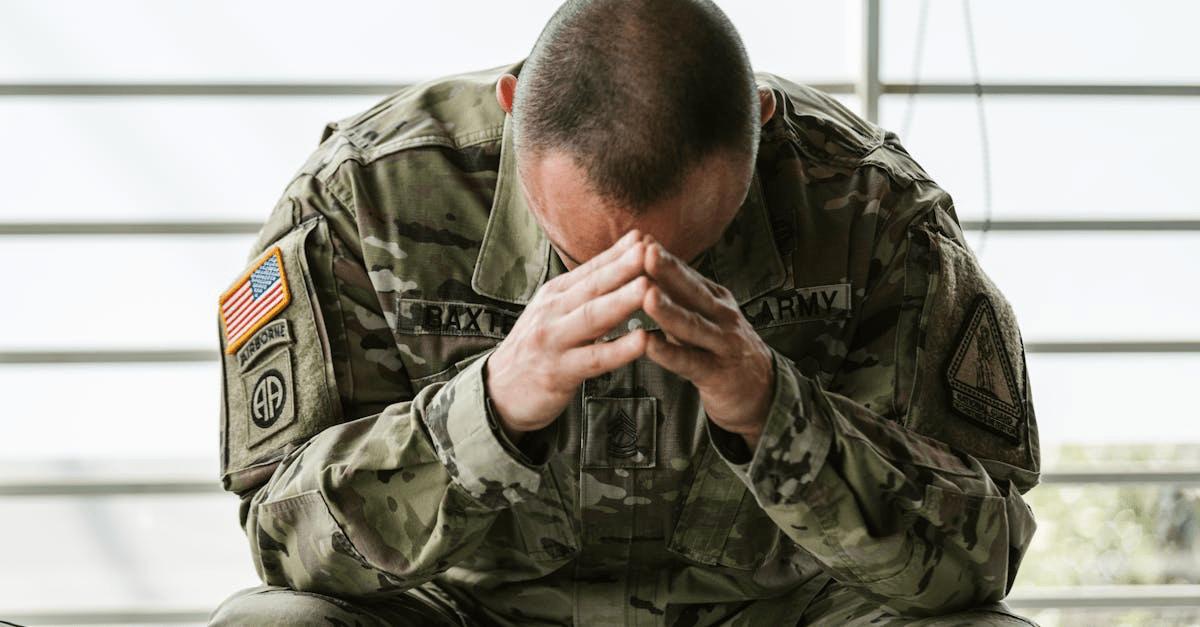
The Prelude to World War 2
The period leading up to World War 2 was marked by significant economic and political factors that set the stage for global conflict. Understanding these elements is crucial to grasping the war’s origins.
Economic Conditions Leading to the War
The Great Depression of the 1930s had devastating effects on economies worldwide, including Nigeria. As countries struggled with high unemployment and inflation, many turned to aggressive nationalism and militarism as solutions. This environment facilitated the rise of authoritarian regimes in Germany and Italy, where leaders like Adolf Hitler and Benito Mussolini promised economic recovery through military expansion.
Political Tensions and Alliances
- After World War 1, the Treaty of Versailles imposed harsh penalties on Germany, leading to resentment and a desire for revenge.
- Countries like Italy felt overlooked and sought to expand their territories.
- The formation of alliances, such as the Axis Powers (Germany, Italy, Japan), created a divide in Europe and increased tensions.
Key Events That Triggered the War
Several critical events escalated the situation:
- The invasion of Poland by Germany on September 1, 1939, marked the official start of World War 2.
- The Munich Agreement of 1938 allowed Hitler to annex parts of Czechoslovakia, showcasing the failure of appeasement.
- The signing of the Molotov-Ribbentrop Pact between Germany and the Soviet Union ensured a non-aggression agreement, further emboldening Nazi ambitions.
These economic conditions, political tensions, and triggering events collectively contributed to the outbreak of World War 2, shaping the modern world and its dynamics.
Shifts in Social Structures Post-War
World War II brought significant changes to social structures around the globe, including Nigeria. One of the most notable shifts was in gender roles. As men went off to war, women stepped into roles traditionally held by men, working in factories and contributing to the economy. This shift laid the groundwork for the women’s rights movement, as women began to advocate for greater equality and opportunities in education and the workforce.
Changes in Gender Roles and Women’s Rights
- Women gained more independence and started pursuing careers.
- The push for women’s suffrage gained momentum, leading to increased political participation.
Impact on Family Dynamics and Demographics
The war also affected family dynamics. Many families were separated due to military service, which altered traditional family structures. Post-war, there was a surge in births, known as the “baby boom,” changing demographics in urban areas.
Migration Patterns and Urbanization
Additionally, the war catalyzed migration patterns as people moved to cities for jobs in post-war reconstruction. Urbanization became prevalent, with rural residents relocating to urban centers in search of better opportunities.
| Shift | Impact |
|---|---|
| Gender Roles | Increased female workforce participation |
| Family Dynamics | Changing family structures and baby boom |
| Migration | Rise in urban populations and job seekers |
These changes have shaped modern society, influencing everything from policies to cultural norms in Nigeria today.
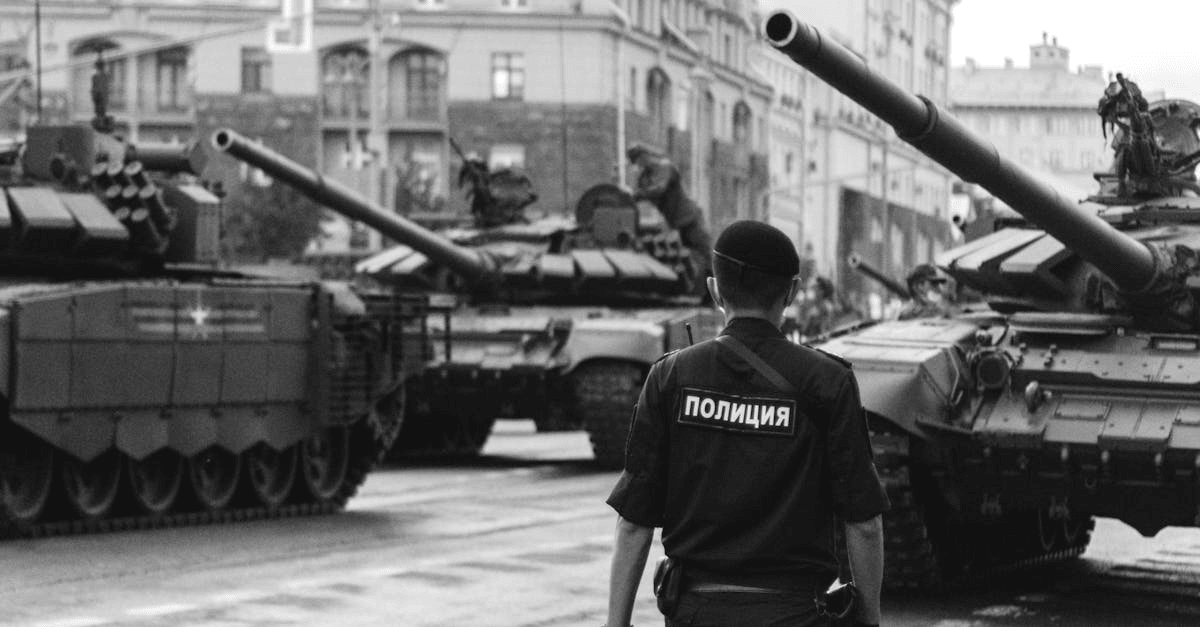
The Economic Landscape After World War 2
Post-war Recovery and the Marshall Plan
After World War 2, many countries faced severe economic challenges. The Marshall Plan, initiated by the United States in 1948, provided over $12 billion to help rebuild European economies. This aid was crucial for countries like Germany and France to recover from the war’s devastation. The funds supported infrastructure, industry, and agriculture, laying the groundwork for modern economies.
The Rise of Consumerism and the Middle Class
The post-war era saw a significant rise in consumerism. As economies recovered, people had more disposable income. This led to an expanding middle class, particularly in the United States and Western Europe. Families began purchasing cars, televisions, and household appliances, driving demand for goods. This consumer culture influenced global markets and shaped modern advertising and retail practices.
Global Trade Relations and Economic Organizations
World War 2 also transformed global trade relations. The creation of organizations like the General Agreement on Tariffs and Trade (GATT) in 1947 encouraged free trade among nations. These initiatives aimed to reduce tariffs and promote international commerce. Countries began to understand the benefits of economic cooperation, leading to a more interconnected global economy.
| Key Elements | Description |
|---|---|
| Marshall Plan | Financial aid for European recovery |
| Consumerism | Increased spending and lifestyle changes |
| Global Trade | Establishment of trade agreements and organizations |
The Political Landscape Shaped by the War
World War II significantly transformed the global political landscape. One major outcome was the formation of the United Nations (UN)</strong) in 1945. This international organization was established to promote peace, security, and cooperation among countries. The UN plays a crucial role in addressing global issues such as conflict resolution, human rights, and humanitarian aid.
Cold War Dynamics and the Bipolar World Order
The aftermath of World War II led to the Cold War, a period marked by tension between the United States and the Soviet Union. This created a bipolar world order where countries aligned themselves with either of the superpowers. This division influenced politics, economics, and military strategies globally, affecting nations like Nigeria as they navigated their own paths during this turbulent time.
Decolonization Movements and Independence Struggles
The war also sparked decolonization movements across Africa and Asia. Many countries sought independence from colonial powers that were weakened by the war. In Nigeria, for example, the struggle for independence gained momentum, leading to the eventual end of British colonial rule in 1960. Such movements reshaped national identities and governance structures, emphasizing self-determination and sovereignty.
| Event | Year | Impact |
|---|---|---|
| Formation of the UN | 1945 | Promoted global cooperation and peacekeeping. |
| Start of Cold War | 1947 | Created ideological divisions worldwide. |
| Nigeria’s Independence | 1960 | Marked the end of colonial rule and the rise of nationalism. |
Cultural Shifts Following the War
World War II brought significant cultural shifts that continue to influence modern society. Art, literature, and music developed new themes reflecting post-war sentiments, showcasing feelings of disillusionment and hope.
Art, Literature, and Music Reflecting Post-War Sentiments
Artists like Pablo Picasso used their work to express the horrors of war, while writers such as George Orwell examined societal issues in novels like 1984. Music also evolved, with genres like jazz and rock ‘n’ roll emerging as forms of rebellion and expression.
The Impact of Propaganda and Media
Propaganda during the war shaped public perception. Post-war media began focusing on peace and recovery, influencing how stories were told. This shift helped create a more informed society, leading to critical thinking about government and media narratives.
Influence on Modern Pop Culture and Identity
- Movies began to reflect real-life struggles, paving the way for modern storytelling.
- Fashion trends changed, with a focus on practicality and comfort influenced by wartime scarcity.
- Subcultures emerged, giving rise to diverse identities that challenge traditional norms.
The legacy of these cultural shifts is evident today, shaping global pop culture and individual identities across nations, including Nigeria. The creativity born from the war’s aftermath continues to inspire new generations.
Technological Innovations Driven by the War
World War II significantly influenced technological innovations that continue to shape modern society. The impact of wartime research on civilian technology is profound. Technologies initially developed for military use often found their way into everyday life, transforming industries and consumer experiences.
The Impact of Wartime Research on Civilian Technology
Many inventions arose from the need for efficiency during the war. For instance, radar technology was refined for military operations but later adapted for air traffic control and weather forecasting. Additionally, advancements in materials science led to the creation of synthetic rubber and plastics, which are now ubiquitous in countless products.
The Role of the Space Race and Military Advancements
The Cold War era saw technology leap forward, driven by the space race. Military advancements in rocketry and navigation systems laid the groundwork for satellite technology. This innovation is crucial for global communications, GPS, and even weather monitoring, directly impacting how daily life functions in Nigeria and worldwide.
Healthcare Innovations Spurred by Wartime Needs
Wartime needs also spurred healthcare innovations. The development of antibiotics, such as penicillin, revolutionized medicine, saving countless lives during and after the war. Additionally, surgical techniques and medical technologies were advanced to treat injuries sustained on the battlefield, leading to better healthcare practices we benefit from today.
| Innovation | Original Use | Civilian Application |
|---|---|---|
| Radar | Military detection | Air traffic control |
| Antibiotics | Treating wounds | General healthcare |
| Satellite Technology | Military reconnaissance | GPS, communications |
Reflections on War and Peace
The aftermath of World War II has shaped modern society in profound ways, particularly in the realm of peace and conflict resolution. Peace treaties, such as the United Nations Charter established in 1945, play a critical role in preventing future conflicts. These agreements not only mark the end of hostilities but also lay the groundwork for diplomacy and cooperation among nations.
Significance of Peace Treaties
- Peace treaties foster diplomatic relations.
- They establish frameworks for conflict resolution.
- They promote stability and security in regions affected by war.
Moreover, the war highlighted the need for advancements in human rights and international law. Organizations like the United Nations have worked to promote and protect human rights globally, ensuring that the lessons learned from past atrocities are not forgotten. The Universal Declaration of Human Rights, adopted in 1948, serves as a vital document in this ongoing struggle.
Human Rights Advancements
- Legal frameworks to protect individual rights.
- International laws that hold nations accountable.
- Efforts to combat war crimes and genocide.
Education about history plays a crucial role in preventing future conflicts. Teaching students about the causes and consequences of wars, including World War II, helps cultivate a culture of peace. Knowledge empowers individuals to recognize the signs of conflict and fosters a commitment to resolving disputes without violence.
The Importance of Education
- Promotes awareness of historical events.
- Encourages critical thinking about conflict and resolution.
- Inspires future leaders to prioritize peace.
Understanding the impact of war on society is essential for building a peaceful future. By reflecting on the significance of peace treaties, human rights advancements, and education, individuals can contribute to a more harmonious world.
World War 2’s Lasting Global Effects
World War 2 significantly shaped modern international relations, establishing frameworks that still govern diplomatic interactions today. The establishment of the United Nations in 1945 aimed to foster cooperation and prevent future conflicts, reflecting a commitment to global peace. This organization has become a cornerstone for countries, including Nigeria, in addressing international issues.
Influence on International Relations
- Post-war treaties redefined national borders and alliances, impacting countries’ relationships.
- The Cold War emerged as a direct consequence of wartime divisions, influencing political ideologies worldwide.
Globalization and Interconnectedness
The war accelerated globalization, promoting economic ties between nations. Trade agreements formed in its aftermath have created an interconnected world. For example, Nigeria’s economy benefits from international trade partnerships, which were influenced by post-war policies.
Current Conflicts and Historical Connections
Many present-day conflicts can be traced back to decisions made during or after World War 2. Issues like territorial disputes and ethnic tensions often echo the divisions created by the war. Understanding these connections is crucial for addressing ongoing strife in regions affected by historical events.
In summary, the enduring impacts of World War 2 continue to influence global dynamics, shaping our current world in significant ways.
Conclusion
World War 2 profoundly shaped modern society, influencing everything from social structures to technological advancements. The prelude to the war set the stage for significant changes, leading to shifts in economic and political landscapes. As nations rebuilt, cultural transformations emerged, reflecting a desire for peace and unity. The technological innovations driven by the war have continued to evolve, impacting daily life even today. Understanding these connections helps us appreciate how World War 2’s lasting effects still resonate globally, shaping our world in a myriad of ways.