Essential Dog Care: Nutrition, Exercise, and Grooming for a Happy Pup
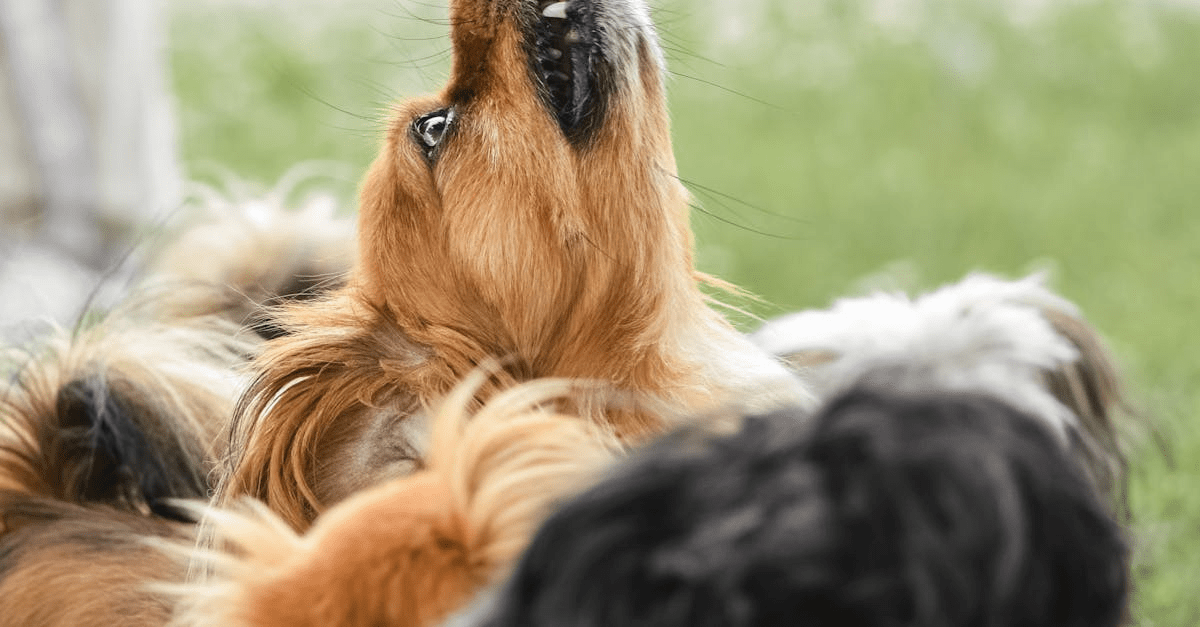
Every dog owner wants their furry friend to lead a happy and healthy life. Essential dog care revolves around three key pillars: nutrition, exercise, and grooming. Understanding how to best provide for your pup can make all the difference in their overall well-being. Proper nutrition ensures that your dog receives the vital nutrients they need to thrive. A balanced diet not only supports their energy levels but also contributes to a shiny coat, strong bones, and a robust immune system.
Exercise is another critical component of dog care. Regular physical activity keeps your pup fit, prevents obesity, and reduces behavioral issues. Whether it’s a brisk walk around the neighborhood or an exhilarating game of fetch at the park, engaging your dog in daily exercise fosters a strong bond between you and your pet while keeping their spirit lively.
Grooming might seem like a chore, but it plays an essential role in maintaining your dog’s health. Regular brushing helps remove dirt and loose hair, while routine baths keep their coat clean and free of parasites. Additionally, grooming sessions are an excellent opportunity for you to check for any unusual lumps or skin conditions, ensuring that your pup remains healthy and happy.
In this blog post, we will dive deeper into each aspect of essential dog care. You’ll discover tips on the best nutritional practices, effective exercise routines tailored to your dog’s breed, and grooming techniques that will make your pup look and feel great. By following these guidelines, you can ensure that your beloved canine companion enjoys a fulfilling life packed with joy and vitality.
Understanding Your Dog’s Nutritional Needs
Importance of a Balanced Diet
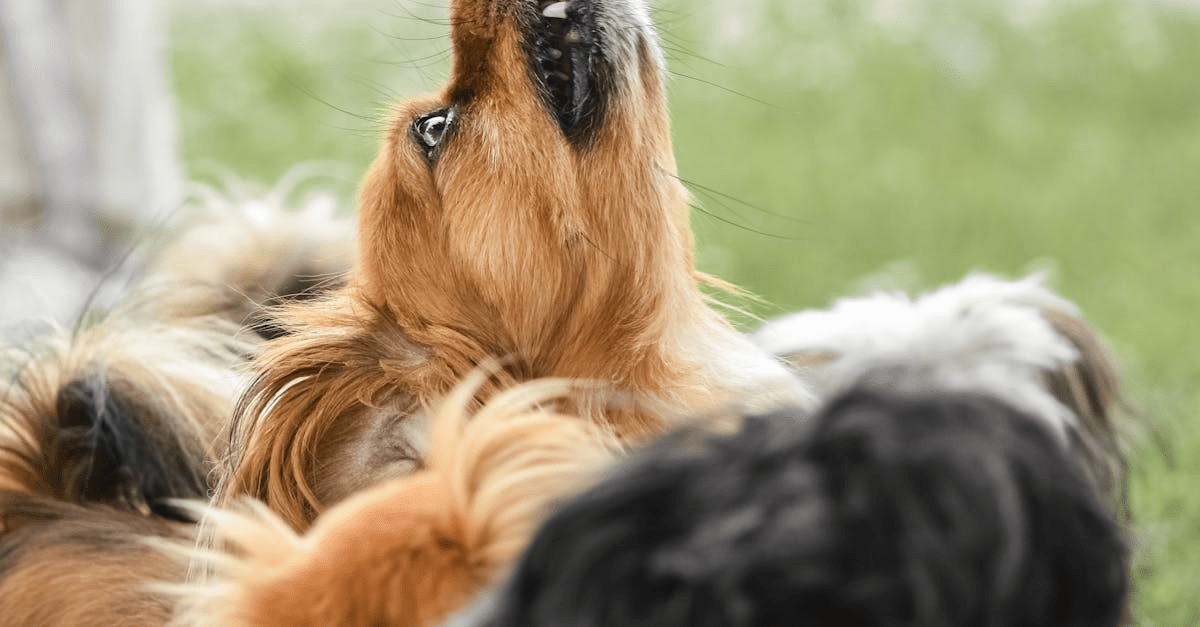
A balanced diet is crucial for your dog’s overall well-being. It supports their immune system, promotes a healthy coat, and maintains energy levels. Dogs require a mix of proteins, carbohydrates, fats, vitamins, and minerals to thrive.
Choosing the Right Dog Food: Dry vs. Wet
When selecting dog food, consider the benefits of both dry and wet options. Dry food is convenient, helps with dental health, and is generally more cost-effective. Wet food, on the other hand, provides hydration and is often more palatable for picky eaters. A combination of both can offer variety and balanced nutrition.
Reading Dog Food Labels: What to Look For
Reading dog food labels is essential to ensure your dog receives proper nutrition. Look for:
- High-quality protein sources as the first ingredient
- Avoidance of fillers like corn or wheat
- Specific life stage formulas (puppy, adult, senior)
- Guaranteed analysis for nutrient breakdown (protein, fat, fiber)
Common Nutritional Deficiencies in Dogs
Some dogs may experience nutritional deficiencies that can lead to health issues. Common deficiencies include:
- Protein deficiency, leading to muscle loss
- Calcium deficiency, affecting bone health
- Omega-3 fatty acids, important for skin and coat
Special Dietary Needs for Puppies, Adults, and Seniors
Puppies require higher protein and fat to support growth, while adults need a balanced diet to maintain weight. Senior dogs often benefit from lower calories and added joint support supplements.
Homemade Dog Food Recipes: Pros and Cons
Homemade dog food can be tailored to your dog’s specific needs, but it requires careful planning to ensure nutritional balance. Consult with a veterinarian before making homemade meals to avoid deficiencies.
Supplements: Do They Help Your Dog?
Supplements can be beneficial if your dog has specific health issues or dietary restrictions. Common supplements include fish oil for coat health and glucosamine for joint support. Always discuss with a vet before adding supplements to your dog’s diet.
The Importance of Regular Exercise for Your Dog’s Health
Physical Benefits of Exercise for Dogs
Regular exercise is crucial for maintaining a dog’s physical health. It helps prevent obesity, strengthens the heart, and improves overall stamina. Engaging in daily activities can also enhance a dog’s flexibility and muscle tone. Active dogs are less prone to various health issues, including diabetes and joint problems.
Mental Stimulation: Why It’s Just as Important
Exercise isn’t just about physical activity; it also provides essential mental stimulation. Dogs are intelligent creatures that require mental challenges to stay happy. Activities like puzzle toys and agility courses can help keep their minds sharp, reducing boredom and destructive behaviors.
Different Types of Exercises for Different Breeds
Not all dogs require the same level of exercise. For instance:
- High-energy breeds like Border Collies need vigorous activities like running or playing fetch.
- Smaller breeds may prefer brisk walks or short play sessions indoors.
- Senior dogs often benefit from gentle walks and low-impact exercises.
Fun Activities to Keep Your Dog Active
There are many fun ways to keep your dog active. Consider:
- Dog parks for socialization and play.
- Swimming, which is great for joints.
- Hiking, allowing exploration and exercise.
Signs Your Dog Needs More Exercise
Watch for signs that your dog needs more exercise, such as:
- Excessive barking or whining.
- Destructive behavior at home.
- Weight gain or lethargy.
Creating a Daily Exercise Routine
Establishing a daily exercise routine is vital. Aim for at least 30 minutes of activity each day. This can be broken into shorter sessions throughout the day to accommodate busy schedules.
Safety Precautions: Keeping Your Dog Safe While Exercising
Always prioritize safety while exercising. Ensure dogs are leashed in public spaces, check the temperature to avoid overheating, and provide plenty of water. Supervise playtime to prevent injuries, especially with other dogs.
Grooming Essentials for a Healthy and Happy Dog
Why Grooming is Important for Your Dog’s Health
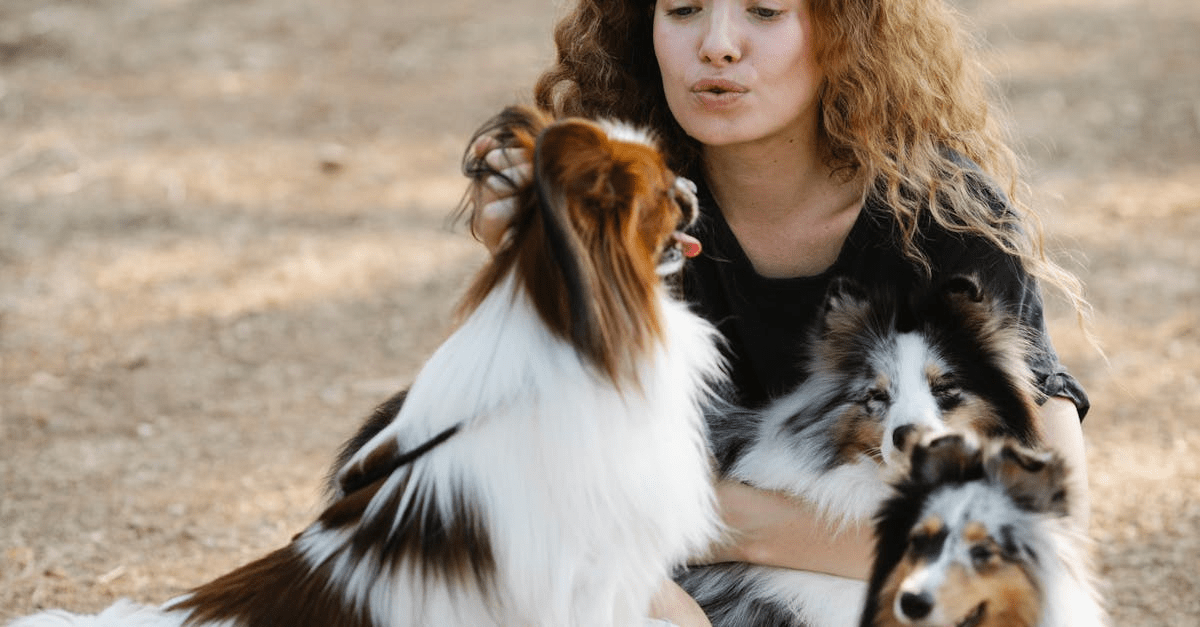
Grooming is not just about making your dog look good; it’s essential for their health. Regular grooming helps to remove dirt, debris, and loose fur, which can prevent skin infections. It also allows for early detection of parasites such as fleas and ticks, and it promotes good circulation through gentle brushing.
Basic Grooming Tools Every Dog Owner Should Have
- Brush: A good-quality brush suited to your dog’s coat type is crucial.
- Comb: A fine-toothed comb can help with tangles and mats.
- Dog Shampoo: Choose a gentle, hypoallergenic shampoo for bathing.
- Nail Clippers: A pair of nail clippers designed for dogs is necessary.
- Ear Cleaner: Keep your dog’s ears clean to prevent infections.
How Often Should You Groom Your Dog?
The frequency of grooming depends on your dog’s breed and coat type. Generally, dogs with longer coats require more frequent grooming, ideally once a week, while short-haired breeds may only need grooming every few weeks.
Bathing Your Dog: Techniques and Tips
When bathing your dog, make sure to use lukewarm water and a dog-specific shampoo. Wet the coat thoroughly, apply shampoo, and rinse well to avoid skin irritation. Always dry your dog completely, especially in colder weather.
Brushing: Different Coats and Their Care
| Coat Type | Brushing Frequency | Recommended Tools |
|---|---|---|
| Short Hair | Every 1-2 weeks | Slicker brush, rubber curry brush |
| Medium Hair | Weekly | Pin brush, slicker brush |
| Long Hair | Several times a week | Slicker brush, wide-toothed comb |
Nail Trimming: How to Do It Safely
Trimming nails is vital for your dog’s comfort and mobility. Use sharp, quality clippers and trim just above the quick (the pink area inside the nail) to avoid bleeding. If unsure, consult a vet or groomer for guidance.
Signs of Skin Problems and When to Consult a Vet
Look for signs such as excessive scratching, redness, bumps, or hair loss. If you notice any of these symptoms, it’s important to consult a veterinarian to address potential skin issues before they worsen.
Training and Behavioral Care for a Well-Behaved Pup
Basic Commands Every Dog Should Know
Training your dog in basic commands is essential for their safety and your peace of mind. Key commands include:
- Sit: A fundamental command that helps control your dog’s behavior.
- Stay: This command keeps your dog in one place, preventing unwanted wandering.
- Come: Crucial for recall, ensuring your dog returns to you when called.
- Down: Helps to calm an excited dog and is useful in various situations.
Positive Reinforcement vs. Punishment
Positive reinforcement, such as treats or praise, encourages desired behaviors. In contrast, punishment can lead to fear and anxiety in dogs. Focusing on rewards builds trust and strengthens the bond between you and your pup.
Socialization: Why It’s Crucial for Your Dog
Early socialization exposes dogs to different people, environments, and other animals, which is vital for their development. Proper socialization reduces fear and aggression, leading to a more confident and well-adjusted pup.
Dealing with Common Behavioral Issues
Common issues like barking, chewing, and jumping can often be addressed with consistent training and understanding. Identifying the triggers for these behaviors is key to correcting them effectively.
The Role of Routine in Your Dog’s Behavior
Establishing a daily routine helps your dog understand expectations. Regular feeding, exercise, and playtime contribute to a sense of security and stability, making your dog feel more comfortable and well-behaved.
Benefits of Professional Training Classes
Professional training classes provide structured learning and expose dogs to new experiences under expert supervision. These classes can be particularly beneficial for first-time dog owners or those with behavioral challenges.
Tips for Training Rescue Dogs
Rescue dogs may require special attention during training. Here are some tips:
- Be patient; many rescue dogs have had traumatic experiences.
- Use gentle methods and build trust gradually.
- Focus on one command at a time to avoid overwhelming them.
- Celebrate small victories to boost their confidence.
Maintaining Your Dog’s Overall Health and Wellness
To ensure your dog remains happy and healthy, several key aspects of care must be prioritized. Regular veterinary check-ups are essential for early detection of health issues. During these visits, expect a thorough examination, vaccinations, and discussions about your dog’s diet and lifestyle.
Regular Veterinary Check-Ups: What to Expect
- Physical exams to assess overall health.
- Weight checks to prevent obesity.
- Blood tests for early signs of disease.
Vaccinations: Essential Shots Your Dog Needs
Vaccinations protect against harmful diseases. Core vaccines include:
| Vaccine | Purpose |
|---|---|
| Rabies | Prevents rabies, a fatal disease. |
| DAPP | Protects against distemper, adenovirus, parvovirus, and parainfluenza. |
| Bordetella | Prevents kennel cough. |
Parasite Prevention: Fleas, Ticks, and Worms
Preventing parasites is crucial for your dog’s health. Use vet-recommended treatments monthly, and keep the living environment clean.
Dental Care for Dogs: Importance and Tips
Dental health is often overlooked but vital. Brush your dog’s teeth regularly and provide dental chews to reduce plaque buildup.
Recognizing Signs of Illness in Dogs
Be vigilant for symptoms like:
- Lethargy or reduced activity.
- Changes in appetite or weight.
- Vomiting or diarrhea.
The Role of Spaying and Neutering
Spaying or neutering helps control the pet population and can prevent certain health issues, such as cancers related to reproductive organs.
Emergency Preparedness for Dog Owners
Have an emergency kit ready with food, water, and medical supplies. Knowing basic first aid for dogs can save lives in urgent situations.
By focusing on these essential areas, you support your dog’s overall wellness and happiness. Regular care is key to a long, healthy life for your furry friend.
Conclusion
Caring for your dog involves understanding their nutritional needs, ensuring regular exercise, and maintaining proper grooming practices. By providing a balanced diet tailored to your dog’s age and size, you promote optimal health. Regular exercise not only keeps your pup fit but also enhances their mood and behavior. Grooming is essential for preventing skin issues and keeping your dog comfortable. Additionally, focusing on training and overall wellness will contribute to a happy, well-behaved companion. Remember, a little extra care goes a long way in nurturing a joyful life for your beloved pet.