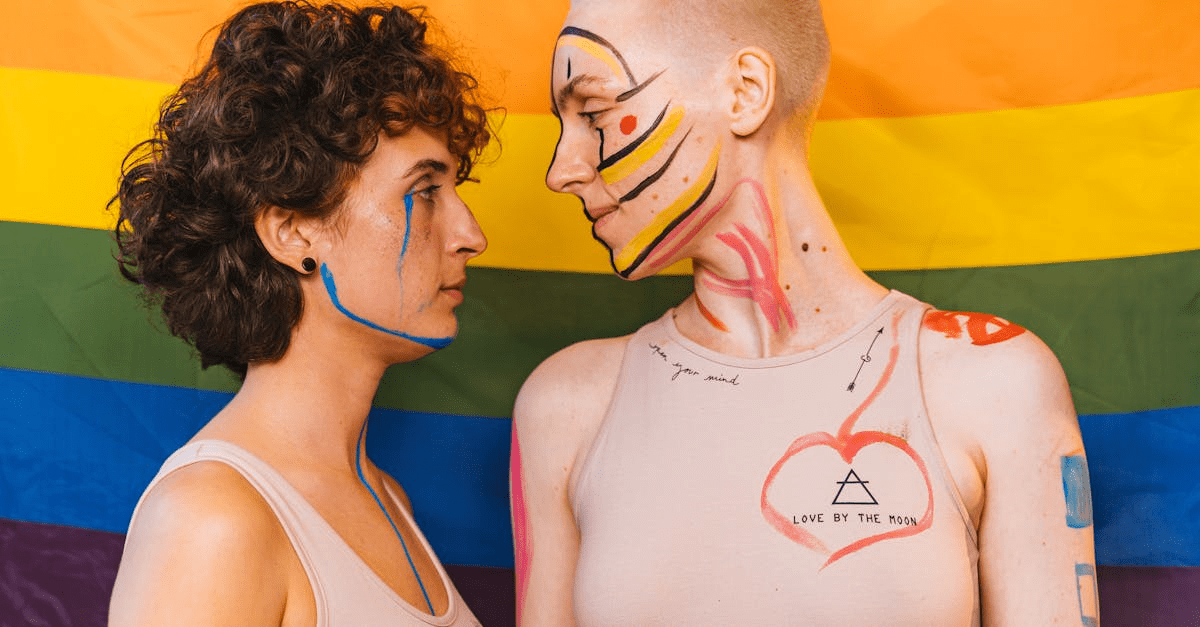
Exploring Gender and Sex: An Academic and Social Perspective on Identity and Equality
Understanding gender and sex is crucial in today’s society, especially as discussions around identity and equality continue to evolve. This blog post delves into the complexities of gender and sex from both academic and social viewpoints. By examining the distinctions and overlaps between sex, gender identity, and societal roles, readers can better appreciate how these concepts shape personal experiences and societal dynamics.
In recent years, significant progress has been made in recognizing diverse identities, fostering acceptance, and advocating for equality. The interplay of social constructs and biological realities fuels ongoing debates, making it essential to explore these topics thoughtfully and respectfully.
Key Takeaways
- Gender and sex are distinct: Gender encompasses roles and identities, while sex refers to biological attributes.
- Social constructs matter: Societal expectations influence how gender is perceived and lived.
- Diversity is growing: Increasing visibility of various identities, including nonbinary and transgender, is reshaping cultural norms.
Key Takeaways
- Understanding Identity: Gender and sex are complex constructs influenced by social, cultural, and biological factors.
- Intersectionality Matters: Gender identity intersects with race, class, and sexuality, affecting individual experiences and social dynamics.
- Importance of Equality: Achieving gender equality is essential for societal progress and requires systemic change across all levels.
- Language Evolution: The language surrounding gender is continuously evolving, reflecting changing societal norms and values.
- Advocacy and Awareness: Increased awareness and advocacy are vital in challenging stereotypes and promoting inclusivity.
- Educational Initiatives: Academic programs focusing on gender studies can foster a deeper understanding of these issues.
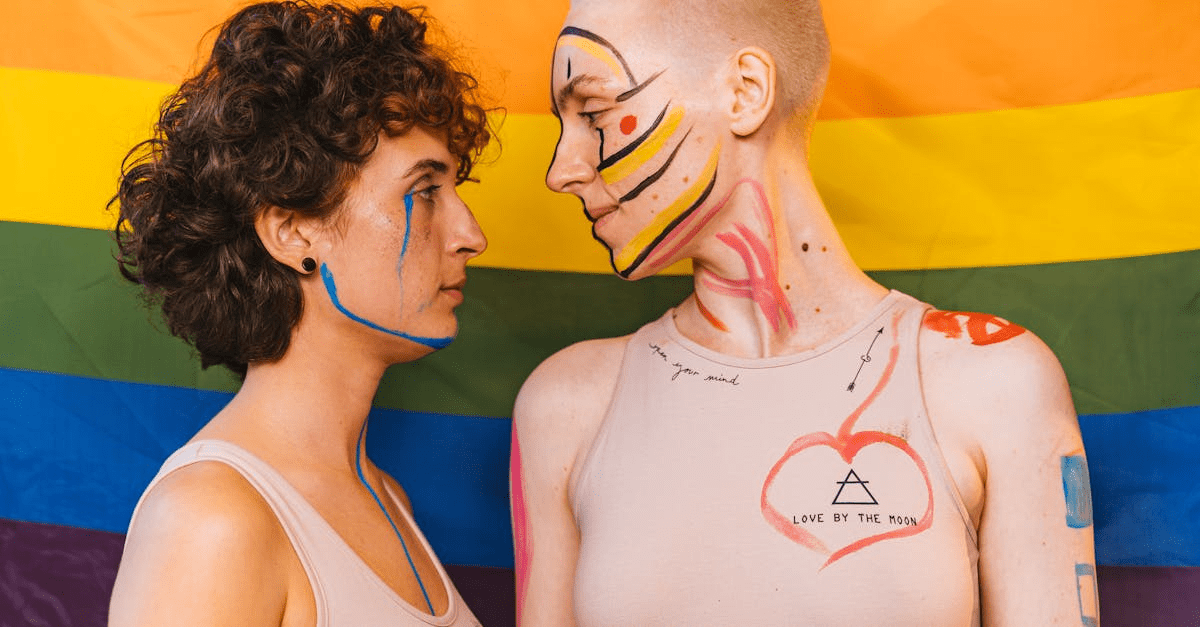
Understanding Gender and Sex
Gender and sex are fundamental concepts that shape our identities and experiences. While often used interchangeably, they have distinct meanings.
Definition of Gender and Sex
Sex refers to the biological attributes—such as chromosomes, hormone levels, and reproductive organs—that categorize individuals as male or female. For example, typically, individuals with XX chromosomes are identified as female, while those with XY chromosomes are identified as male. In contrast, gender encompasses the roles, behaviors, and expectations that society associates with being male or female. Gender is a social construct that can vary across cultures and over time, reflecting norms and values of each society.
Historical Context of Gender Identity
The concept of gender identity has evolved significantly over time. Historically, gender was viewed as a binary system, strictly tied to biological sex. However, feminist psychologists and activists have highlighted the importance of recognizing diversity in gender identity since the mid-20th century. This shift has led to a broader understanding of gender beyond mere biology, allowing for the acknowledgment of non-binary and transgender identities.
The Biological vs. Social Construct Debate
The debate surrounding the biological versus social constructs of gender is ongoing. Proponents of the biological perspective argue that sex differences are innate and rooted in genetics. Conversely, advocates of the social construct view emphasize that gender roles are learned and influenced by cultural and societal factors. This debate raises critical questions about the nature of identity and how societal norms shape individual experiences.
The Spectrum of Gender Identity
Gender identity is a complex and multifaceted concept that extends beyond the traditional binary understanding of male and female. It encompasses a wide array of identities, including non-binary and genderqueer identities, which play a significant role in shaping personal experiences and social interactions.
Understanding Non-Binary and Genderqueer Identities
Non-binary individuals identify outside the conventional categories of male and female. They may see themselves as a blend of both genders, neither, or fluctuate between different genders over time. This fluidity challenges the notion of strict gender roles and promotes a more inclusive understanding of identity. Genderqueer, often used interchangeably with non-binary, emphasizes resistance to categorization, allowing individuals to define their identity on their own terms. According to Afolabi Faniyi (2023), these identities highlight the personal and internal aspects of gender that can vary widely across different cultures and communities.
Cultural Perspectives on Gender Fluidity
Globally, various cultures recognize more than two genders. For instance, many Indigenous cultures in North America historically acknowledged Two-Spirit individuals who embody both masculine and feminine qualities. Similarly, in South Asia, hijras have been recognized as a distinct gender for centuries. This cultural recognition supports the idea that gender is not strictly binary, but rather exists along a spectrum, emphasizing the importance of understanding and respecting diverse gender expressions.
The Role of Intersectionality in Gender Identity
Intersectionality plays a crucial role in how gender identity is experienced and understood. Factors such as race, class, and sexual orientation intersect with gender identity, influencing individuals’ experiences in profound ways. For example, a Black non-binary person may face different societal challenges compared to a white non-binary individual, highlighting the necessity of considering multiple identities when discussing gender. As noted in the work of Richards et al. (2017), intersectionality helps illuminate the layers of discrimination and privilege that affect various gender identities.
Sexual Orientation vs. Gender Identity
Defining Sexual Orientation
Sexual orientation refers to the emotional, romantic, or sexual attraction one feels towards individuals of the same or different gender. Common categories include heterosexuality, homosexuality, and bisexuality. Understanding sexual orientation is crucial as it plays a significant role in how individuals relate to each other and form relationships.
How Gender Identity Influences Sexual Orientation
Gender identity, or how individuals perceive themselves in terms of gender, can influence sexual orientation. For example, a transgender person may identify as a woman and be attracted to men, indicating a heterosexual orientation, or they may be attracted to women, identifying as a lesbian. This shows that gender identity and sexual orientation are interconnected yet distinct aspects of who we are.
The Importance of Distinguishing Between the Two Concepts
It’s essential to distinguish between sexual orientation and gender identity as they address different facets of human identity. Confusing the two can lead to misunderstandings and perpetuate stereotypes. Recognizing these differences fosters empathy and inclusivity within society, paving the way for equality and respect for all individuals, regardless of their sexual orientation or gender identity.
Social Constructs and Gender Roles
Gender roles are not just biological; they are deeply rooted in the history and culture of societies. Historically, different cultures have assigned specific roles to genders. For instance, many indigenous tribes in North America had fluid concepts of gender, allowing individuals to express themselves beyond the binary. In contrast, Western societies have historically emphasized distinct roles: men as providers and women as caregivers. These roles have evolved but still influence perceptions today.
Impact of Media and Pop Culture on Gender Perception
The media plays a vital role in shaping gender perceptions. Television shows, movies, and advertisements often reinforce traditional gender roles, presenting men as strong and dominant while depicting women as nurturing and submissive. This portrayal can impact societal expectations and personal identity. However, there is a shift happening. More inclusive representations in recent years have challenged these stereotypes, showcasing diverse identities and experiences.
Challenging Traditional Gender Roles in Modern Society
Today, many individuals actively challenge traditional gender roles. The rise of social movements advocating for equality has opened discussions about gender fluidity and non-conformity. People are increasingly questioning the rigid boundaries that society has set, leading to a more inclusive understanding of gender. With platforms like social media amplifying these voices, the conversation around gender continues to evolve, encouraging everyone to embrace their identity freely.

Legal and Political Aspects of Gender Equality
Gender equality is a fundamental human right and a crucial element for achieving sustainable development. As of 2024, various laws worldwide aim to promote gender equality, but disparities still exist. This section explores the legal frameworks, activism, and challenges faced by LGBTQ+ individuals in the quest for equality.
Overview of Gender Equality Laws Worldwide
Countries have enacted numerous laws to ensure gender equality, addressing issues such as pay equity, reproductive rights, and protection from violence. The United Nations Sustainable Development Goals (SDGs), particularly Goal 5, emphasizes the need to eliminate discrimination against women and girls. Recent reports from UN Women highlight that removing discriminatory laws is essential for achieving gender equality.
The Role of Activism in Promoting Gender Rights
Activism plays a vital role in advancing gender equality laws and raising awareness about gender issues. Grassroots organizations and global movements like #MeToo have mobilized public support, pushing governments to implement reforms. According to a recent UN report, global action is needed to close significant gender gaps, emphasizing the importance of activism in influencing policy changes.
Challenges Faced by LGBTQ+ Individuals in Legal Systems
Despite progress in gender equality laws, LGBTQ+ individuals often face unique challenges. Discriminatory laws and lack of legal recognition can lead to social marginalization and limited access to essential services. The UN warns that achieving full legal equality for women and LGBTQ+ individuals may take centuries without urgent action against rising backlash and discrimination, as noted in a US News article.
Impacts of Gender Inequality on Society
Gender inequality affects multiple facets of society, impacting economic growth, educational opportunities, and mental health. Understanding these implications is essential for fostering a more equitable world.
Economic Implications of Gender Disparity
Gender inequality severely limits economic progress. According to the Global Gender Gap Report 2024, disparities in economic participation hinder overall productivity. When women lack equal access to job opportunities and leadership roles, economies suffer. For instance, closing the gender gap could add trillions of dollars to the global economy, illustrating how crucial gender equality is for sustained economic development.
Education and Gender: Access and Opportunities
Education plays a vital role in achieving gender equality. Unfortunately, many girls still face barriers to education. The UN Gender Snapshot Report 2024 highlights that while progress has been made, change is too slow. Lack of access to quality education limits women’s career prospects and perpetuates cycles of poverty. Ensuring equal educational opportunities can empower girls and lead to improved societal outcomes.
Mental Health and Gender Identity Issues
Gender inequality also affects mental health. Individuals who experience discrimination based on their gender often face heightened levels of stress, anxiety, and depression. The burdens of societal expectations can create significant mental health challenges, particularly for those who identify outside of traditional gender norms. Addressing these issues requires a concerted effort to promote inclusivity and understanding within communities.
https://youtube.com/watch?v=WMfR-YdLev0
Towards a More Inclusive Society
Creating a more inclusive society requires deliberate strategies that promote gender equality. One effective approach is implementing workplace diversity initiatives. These initiatives encourage companies to adopt policies that support gender diversity and empower individuals from all backgrounds. By fostering an environment where everyone feels valued, organizations can help break down barriers and build a culture of inclusion.
Strategies for Promoting Gender Equality
- Policy Advocacy: Supporting legislation that protects the rights of gender-diverse individuals can lead to systemic change.
- Mentorship Programs: Establishing mentorship networks helps guide underrepresented genders in their professional journeys.
- Awareness Campaigns: Engaging communities through campaigns can raise awareness and challenge stereotypes.
The Role of Education in Fostering Understanding
Education plays a crucial role in promoting understanding and acceptance of gender diversity. Schools should incorporate inclusive curricula that cover topics on gender identity and expression. This not only informs students but also cultivates empathy among peers. Additionally, teacher training focused on gender sensitivity can create a safe learning environment for all students.
Community Support and Resources for Gender Diverse Individuals
Providing community support is vital for the well-being of gender-diverse individuals. Local organizations can offer resources such as:
- Counseling Services: Professional counseling can assist individuals in navigating their identities.
- Support Groups: Connecting with others who share similar experiences can foster a sense of belonging.
- Safe Spaces: Creating spaces where individuals can express themselves freely is essential for mental health.
Conclusion
In exploring gender and sex through an academic and social lens, it’s clear that understanding gender identity and the spectrum of sexual orientation is vital for fostering equality. Social constructs and gender roles significantly influence our perceptions, while legal and political aspects shape the landscape of gender equality. The impacts of gender inequality ripple through society, emphasizing the need for inclusivity. By embracing diverse identities and promoting awareness, we pave the way toward a more equitable future for all.
Frequently Asked Questions
1. What is the difference between gender and sex?
Gender refers to the roles, behaviors, and identities that society associates with being male or female, while sex typically relates to biological attributes.
2. How do social perspectives influence gender identity?
Social perspectives shape our understanding of gender through cultural norms, media representation, and personal experiences, which can affect individual identity formation.
3. Why is gender equality important?
Gender equality promotes equal rights and opportunities, fostering a society where everyone can thrive regardless of their gender identity.
4. How can one support gender diversity?
Supporting gender diversity involves advocating for inclusive policies, educating oneself and others, and creating safe spaces for all identities.
5. What role does education play in understanding gender issues?
Education raises awareness about gender issues, challenges stereotypes, and encourages critical thinking, which is essential for fostering equality.
6. Can gender identity change over time?
Yes, individuals may discover or redefine their gender identity throughout their lives as they gain more understanding and experience.
7. How do legal frameworks impact gender equality?
Legal frameworks can either support or hinder gender equality by establishing rights, protections, and opportunities for all genders.
8. What are some common misconceptions about gender identity?
Common misconceptions include the belief that gender is binary or that it remains constant throughout a person’s life, which overlooks the complexity of identity.
References
- https://journals.sagepub.com/stoken/default+domain/IQIGZRPJ9NYTYC6AATTM/full
- https://www.sciencedirect.com/science/article/pii/S0099133324001083
- https://academic.oup.com/jope/article/56/5/654/7000106
- https://www.ncbi.nlm.nih.gov/pmc/articles/PMC8596152/
- https://psycnet.apa.org/fulltext/2024-85607-001.html
- World Health Organization. (n.d.). Gender and health. Retrieved from https://www.who.int/health-topics/gender
- Springer. (2011). Distinguishing Between Sex and Gender: History, Current Debates. Retrieved from https://link.springer.com/article/10.1007/s11199-011-9932-5
- Wikipedia. (2024). Social construction of gender. Retrieved from https://en.wikipedia.org/wiki/Social_construction_of_gender
- Social Sci LibreTexts. (n.d.). 5.7: Social Construction of Gender. Retrieved from https://socialsci.libretexts.org/Bookshelves/Gender_Studies/Sexuality_the_Self_and_Society_(Ruhman_Bowman_Jackson_Lushtak_Newman_and_Sunder)/05:_Gender_Identity_Gender_Roles_and_Gender_Differences/5.07:_Social_Construction_of_Gender
- ResearchGate. (n.d.). The Social Construct of Gender. Retrieved from https://www.researchgate.net/publication/354193145_The_Social_Construct_of_Gender
- UN Women. (2024). The crucial role of legal frameworks in advancing gender equality. Retrieved from https://data.unwomen.org/publications/crucial-role-legal-frameworks-advancing-gender-equality
- UN Women. (2024). UN report urges immediate global action to close critical gender gaps. Retrieved from https://www.unwomen.org/en/news-stories/press-release/2024/09/un-report-urges-immediate-global-action-to-close-critical-gender-gaps
- US News. (2024). UN Chief: Legal Equality for Women Could Take 300 Years as Backlash Rises Against Women’s Rights. Retrieved from https://www.usnews.com/news/us/articles/2024-03-09/un-chief-legal-equality-for-women-could-take-300-years-as-backlash-rises-against-womens-rights
- Equal Measures 2030. (2024). Findings from the 2024 SDG Gender Index.
- Population Matters. (2024). UN Gender Snapshot Report 2024.
- World Economic Forum. (2024). Global Gender Gap Report 2024.
- UN Women. (2024). UN report urges immediate global action to close critical gender gaps.
- Building an inclusive society in the post-pandemic world. (n.d.). Retrieved from https://lordslibrary.parliament.uk/building-an-inclusive-society-in-the-post-pandemic-world/
- Advancing Gender Equity, Fast Tracking an Inclusive Society. (2024). Retrieved from https://www.ie.edu/insights/articles/advancing-gender-equity-fast-tracking-an-inclusive-society/
- Towards a More Inclusive Society – Human Development Reports. (n.d.). Retrieved from https://hdr.undp.org/content/towards-more-inclusive-society
- Experts explain: how to build inclusion in the workplace. (2021). Retrieved from https://www.weforum.org/agenda/2021/08/build-inclusion-scale-workplace-culture/
- Brink Drescher, J. (2022). Exploring the impact of sexual orientation, gender identity, and… ScienceDirect. Retrieved from https://www.sciencedirect.com/science/article/pii/S0099133324001083
- Fausto-Sterling, A. (2000). Sex, Gender, and Education Research: The Case for Transgender Studies. SAGE Journals. Retrieved from https://journals.sagepub.com/stoken/default+domain/IQIGZRPJ9NYTYC6AATTM/full
- Meyer, I. H. (2010). Gender diversities and sex education. Oxford Academic. Retrieved from https://academic.oup.com/jope/article/56/5/654/7000106
- National Institutes of Health. (2021). Sex, gender and gender identity: a re-evaluation of the evidence. PMC. Retrieved from https://www.ncbi.nlm.nih.gov/pmc/articles/PMC8596152/
- Springer. (2024). Bridging the Gender Gap in Academic Engagement among Young. SpringerLink. Retrieved from https://link.springer.com/article/10.1007/s10964-024-02009-3
- American Psychological Association. (2024). The Psychology of Sexual and Gender Diversity in the 21st Century. APA PsycNet. Retrieved from https://psycnet.apa.org/fulltext/2024-85607-001.html
- ResearchGate. (2023). Gender equality in higher education and research. Retrieved from https://www.researchgate.net/publication/357308803_Gender_equality_in_higher_education_and_research